

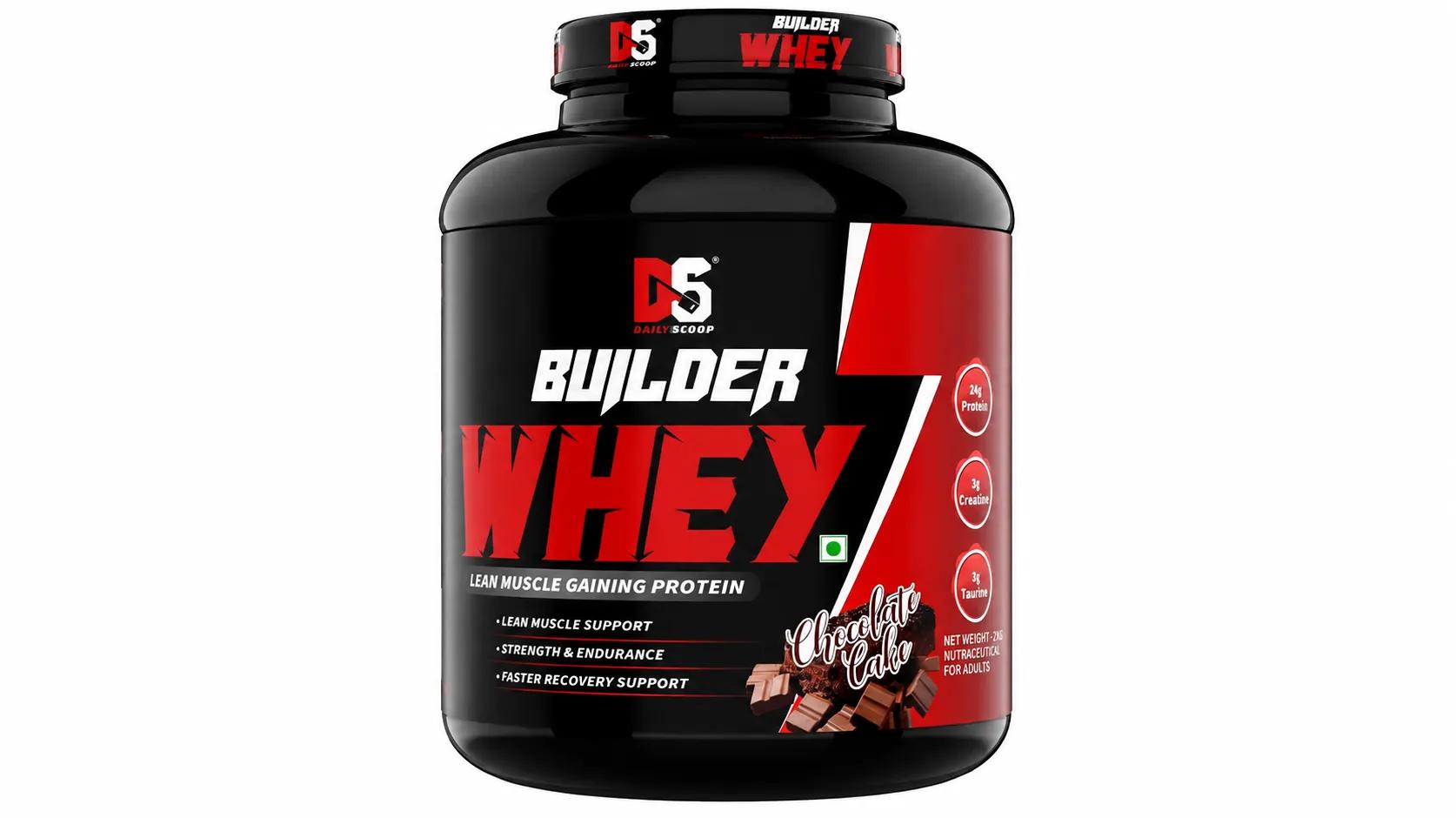
Protein is one of the nutrients that often gets more attention when people start exercising regularly. Whether you're lifting weights, playing sports, running, or simply trying to stay active, getting enough protein through your diet can be an important part of maintaining a balanced nutrition routine.
For many people, regular foods provide most of their protein. Eggs, milk, yogurt, fish, chicken, beans, lentils, soy, and other foods can all contribute to daily protein intake. However, busy schedules can sometimes make it difficult to prepare protein-rich meals throughout the day. This is where whey protein can become a convenient option.
What Is Whey Protein?
Whey protein is a protein derived from milk. It is commonly used in powdered supplements because it can be mixed into a drink or added to different foods without requiring much preparation.
One reason whey protein is popular is convenience. A serving can be prepared within a few minutes, making it useful for people who have busy schedules or need an easy option around their workouts.
That doesn't mean protein powder needs to replace regular meals. Instead, it can simply complement the foods already included in your diet.
Why Do People Include It in Their Routine?
People choose whey protein for different reasons. Someone who exercises regularly may use it as a convenient way to increase their daily protein intake, while another person may simply prefer having a quick protein-rich snack available during a busy day.
For example, preparing a complete meal isn't always possible after a workout. Having a protein shake available can be more convenient when you're heading straight to work, college, or another commitment.
The important thing is to look at your overall diet rather than focusing on one particular supplement.
Check the Nutrition Label
Not all whey protein products are identical. When comparing different options, the nutrition label is one of the most useful places to start.
Look at the amount of protein provided per serving and pay attention to the serving size. It's also worth checking carbohydrates, fats, sugars, and other ingredients included in the formula.
A product may appear impressive because of its packaging or marketing claims, but the nutrition label gives you more practical information about what you're actually consuming.
If you're interested in exploring different whey protein options, take some time to compare the available product information and see what fits your preferences.
Consider the Type of Whey
You may come across different types of whey protein when comparing products. Whey concentrate and whey isolate are two commonly available forms.
They can differ in how they are processed and in their nutritional composition. This is why reading the product label is important rather than assuming every whey protein powder is exactly the same.
Your choice can depend on your dietary preferences, budget, and how you plan to use the product.
Think About Taste and Convenience
Nutrition isn't the only factor that matters. If you plan to use a protein supplement regularly, choosing a flavour you actually enjoy can make a difference.
Some people prefer a simple shake mixed with water or milk. Others like adding whey protein to smoothies, oats, yogurt, or homemade recipes.
There is no single method that everyone needs to follow. The most practical approach is usually the one that fits naturally into your everyday routine.
How Much Does Price Matter?
Budget is another factor worth considering when choosing a protein supplement.
It's easy to compare two products based only on the price printed on their containers, but that doesn't always give you an accurate picture. Check how many servings each package contains and how much protein is provided per serving.
For example, a larger container may cost more initially but provide considerably more servings. A smaller package may have a lower upfront price but could work out differently when you calculate the cost per serving.
If you're comparing the whey protein powder cost, looking at price per serving can provide a more useful comparison than simply looking at the total package price.
What Makes the Best Whey Protein?
There isn't one product that can be called the best whey protein for every person. Different people have different dietary preferences, budgets, flavour preferences, and routines.
Instead of looking for a universally perfect product, consider what matters to you.
You might prioritise protein content, ingredient information, taste, serving size, price, or convenience. Someone who uses protein powder occasionally may also have different priorities from someone who includes it in their daily routine.
Taking these factors into account can help you make a decision based on your actual needs rather than advertising or trends.
Don't Forget Whole Foods
It's easy to focus heavily on supplements when you're interested in fitness, but protein powder is only one part of nutrition.
Whole foods provide a range of nutrients, and a balanced diet should include a variety of food groups. Whey protein can simply be a convenient addition when it makes sense for your lifestyle.
Your overall eating pattern, hydration, sleep, exercise, and recovery habits all contribute to a sustainable fitness routine.
Conclusion
Whey protein can be a convenient way to add protein to a busy lifestyle, but choosing a product doesn't have to be complicated. Start by understanding your existing diet, read the nutrition label, compare serving sizes, and consider ingredients, taste, convenience, and cost.
The best whey protein for you is ultimately one that fits your dietary preferences, budget, and daily routine. Used as part of a balanced approach to nutrition and fitness, it can make meeting your everyday protein needs a little more convenient.