

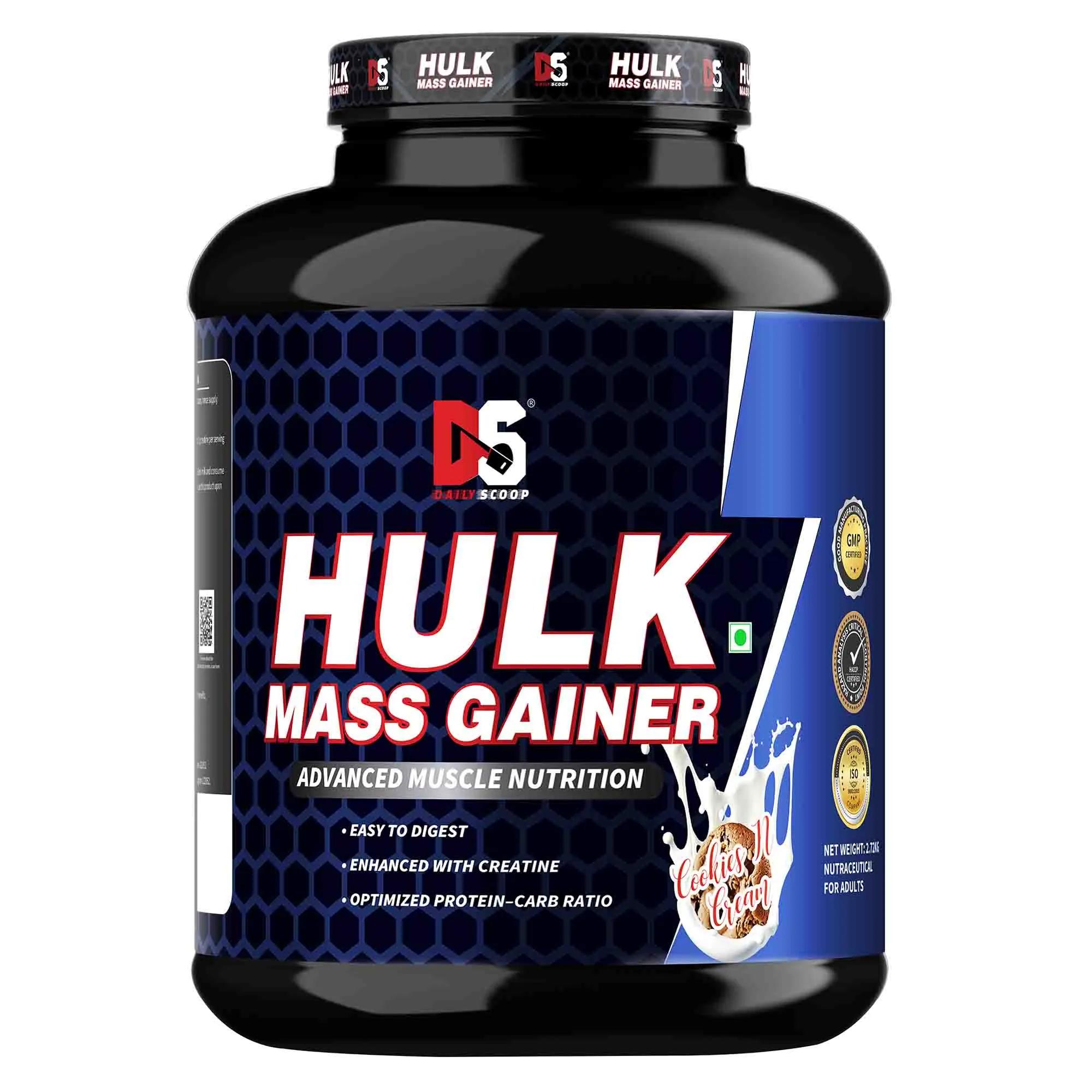
Gaining weight can be surprisingly difficult for people who have a fast-paced lifestyle, a small appetite, or a high level of daily activity. While the basic idea seems simple, eating enough food consistently can become a challenge when you have work, college, workouts, travel, and other responsibilities competing for your time.
A balanced approach to weight gain usually starts with regular meals and nutritious foods. However, there are situations where getting enough calories and protein from meals alone can be inconvenient. This is where a mass gainer protein supplement can be useful as a practical addition to an existing nutrition routine.
Start With Your Everyday Meals
Before adding a supplement, it helps to understand what your current diet looks like. Regular meals should provide a variety of nutrients rather than focusing only on calories.
Foods such as rice, oats, potatoes, whole grains, eggs, dairy products, chicken, fish, beans, lentils, nuts, seeds, fruits, and vegetables can all have a place in a balanced diet.
If you're consistently eating nutritious meals but still find it difficult to consume enough calories, adding an extra snack or shake can be an easier solution than dramatically increasing the size of every meal.
What Makes a Mass Gainer Different?
A mass gainer is different from a typical protein powder because it is generally formulated to provide a combination of protein and a higher amount of carbohydrates and calories.
This can be helpful for people who need more energy in their diet but struggle to eat larger quantities of food.
The nutritional profile can vary considerably between products, though. Some may provide significantly more calories per serving than others, while the amount of protein, carbohydrates, and fats can also differ.
This is why checking the nutrition label is more useful than choosing a product based only on its packaging or promotional claims.
Look Beyond the Calorie Number
A common mistake when choosing a mass gainer is focusing entirely on the number of calories per serving.
While calorie content is obviously important for someone trying to increase their intake, it doesn't tell you everything about a product.
Check the amount of protein, carbohydrates, and fats provided per serving. You should also look at the serving size because a very high calorie count may be based on a particularly large serving.
Understanding these details makes it easier to decide whether a product actually fits into your normal eating pattern.
Protein Still Matters
Protein is an important part of nutrition, particularly for people who regularly perform resistance training.
However, you don't need to rely entirely on supplements to get protein. Eggs, milk, yogurt, fish, poultry, legumes, soy, nuts, and seeds can all contribute to your daily intake.
A mass gainer protein powder simply provides another convenient source. When deciding how much to use, consider the protein you already receive from your meals.
The aim should be to create a balanced overall intake rather than assuming that more supplementation is always better.
Think About When You Need Extra Calories
There is no single time that everyone has to consume a mass gainer.
For one person, having a shake between breakfast and lunch might be convenient. Another person may prefer it later in the day or after training because that's when eating a full meal is less practical.
Your schedule can help determine what works best.
For example, if you regularly miss an afternoon snack because you're at work or college, having a prepared shake may provide a convenient alternative.
The important thing is to consider the supplement as part of your complete day's nutrition.
Choose a Product That Fits Your Routine
If you're considering mass gainer protein powder, take some time to compare different options before choosing one.
Look at the protein content, calories, carbohydrates, fats, ingredients, serving size, number of servings, and overall price.
Taste and convenience can matter too. If you dislike the flavour or find the product difficult to prepare, maintaining a consistent routine may become harder.
A product that fits comfortably into your lifestyle can be more practical than one that looks impressive on paper but is difficult for you to use regularly.
Don't Replace Your Entire Diet
A mass gainer should generally complement regular meals rather than replace them.
Whole foods provide a variety of nutrients, including fibre, vitamins, minerals, and other components that contribute to a varied diet.
For example, a shake can be useful as an additional snack, while your main meals can continue to include grains, vegetables, fruits, protein-rich foods, and healthy sources of fat.
This approach keeps supplementation in perspective.
Training Has a Role Too
If your goal is to gain muscle as well as body weight, nutrition should be combined with an appropriate training routine.
Resistance training can help provide a stimulus for muscle development. Exercises such as squats, rows, presses, lunges, and other strength movements can be included depending on your experience and goals.
Progress doesn't require an extremely complicated program. Consistency and gradual increases in training difficulty can be more useful than constantly changing your routine.
Recovery Shouldn't Be Ignored
A good weight-gain routine isn't only about food and exercise.
Recovery is also important. Sleep gives your body time to recover from daily activities and workouts, while rest days can help you maintain a sustainable training schedule.
Hydration is another simple part of maintaining a healthy routine, particularly if you exercise regularly or spend a lot of time in a warm environment.
Looking after these basic habits can make your overall approach much easier to maintain.
Track Your Progress Over Time
It can be tempting to expect immediate results after increasing your calorie intake, but meaningful changes usually take time.
Daily body weight can fluctuate for many reasons, including hydration and food intake. Instead of focusing on a single measurement, look at longer-term trends.
You can also pay attention to your training performance, appetite, energy levels, and consistency.
If your progress isn't what you expected, review your entire routine rather than simply increasing your supplement intake. Your meals, activity level, training, sleep, and recovery all contribute to the bigger picture.
Conclusion
Mass gainer protein can be a convenient addition for people who find it difficult to consume enough calories and protein through regular meals alone. Its combination of calories, carbohydrates, and protein can make adding nutrition to a busy day easier.
However, choosing a product should involve more than looking for the highest calorie count. Read the nutrition label, compare serving sizes, check the ingredients, and consider how the product fits into your existing diet.
If you plan to use a mass gainer protein powder, think of it as one part of your overall nutrition strategy rather than a replacement for balanced meals.
With nutritious food, consistent resistance training, adequate sleep, proper recovery, and realistic expectations, supplementation can become a convenient part of a sustainable weight-gain routine.